
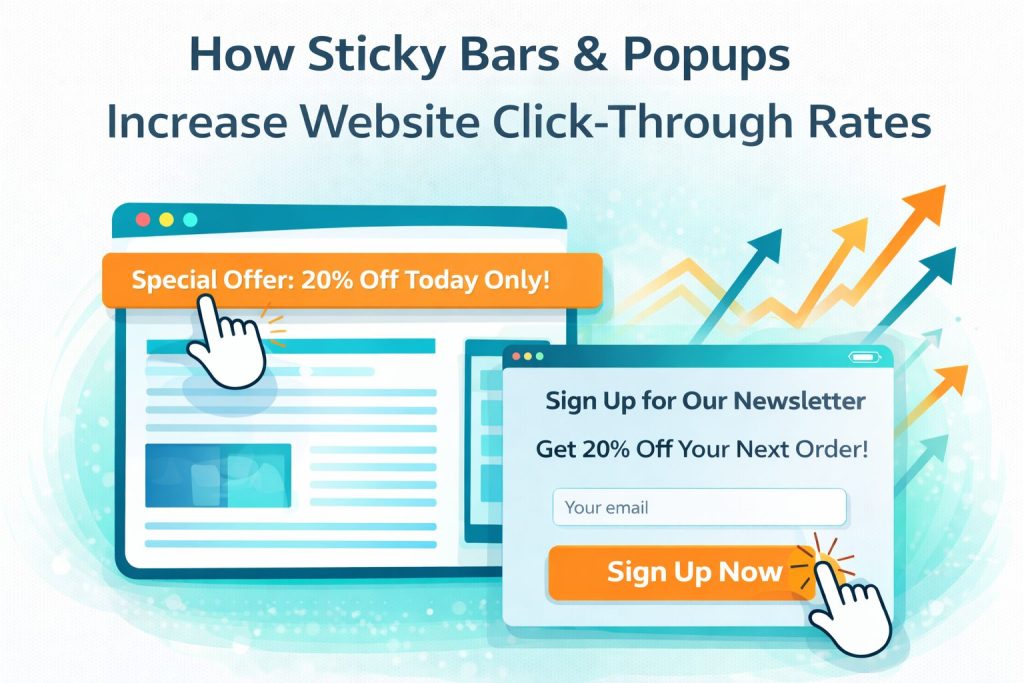
Websites today compete for attention in a crowded digital space. Visitors often land on a page, skim through the content, and leave without interacting further. This is where engagement tools like sticky bars and popups play an important role.
When used strategically, these elements highlight important messages, guide visitors toward key actions, and significantly improve a website click-through rate.
In this guide, we’ll explore how sticky bars and popups help increase website engagement and conversions.
According to the click-through rate definition, CTR measures the percentage of people who click a link compared to the number of people who see it.
Source: https://en.wikipedia.org/wiki/Click-through_rate
What Is Website Click-Through Rate and Why It Matters?
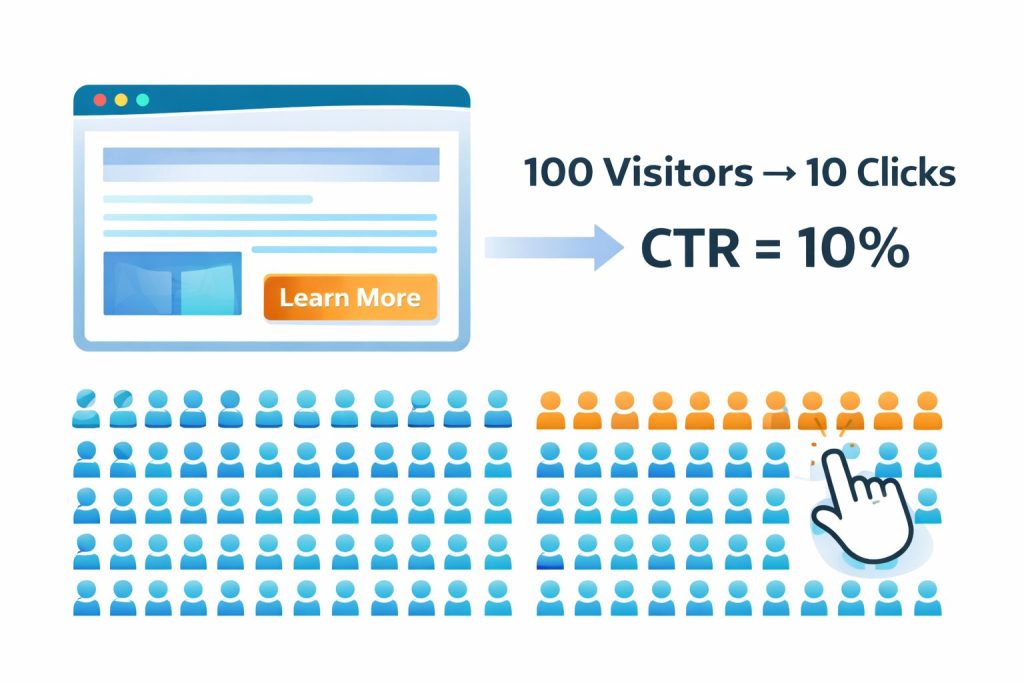
Website click-through rate (CTR) is a metric that measures how often visitors click on a specific link, button, or call-to-action compared to how many people see it.
For example, if 100 visitors see a call-to-action and 10 click on it, the click-through rate is 10%.
CTR is important because it reflects how effectively a website encourages visitors to take action. A higher click-through rate often leads to:
- More email subscribers
- Increased product inquiries
- Higher sales and conversions
- Better overall engagement
This is why many marketers rely on website engagement tools like popups and sticky bars to highlight offers and guide visitors toward meaningful actions.
How Sticky Bars Improve Website Engagement and Clicks?
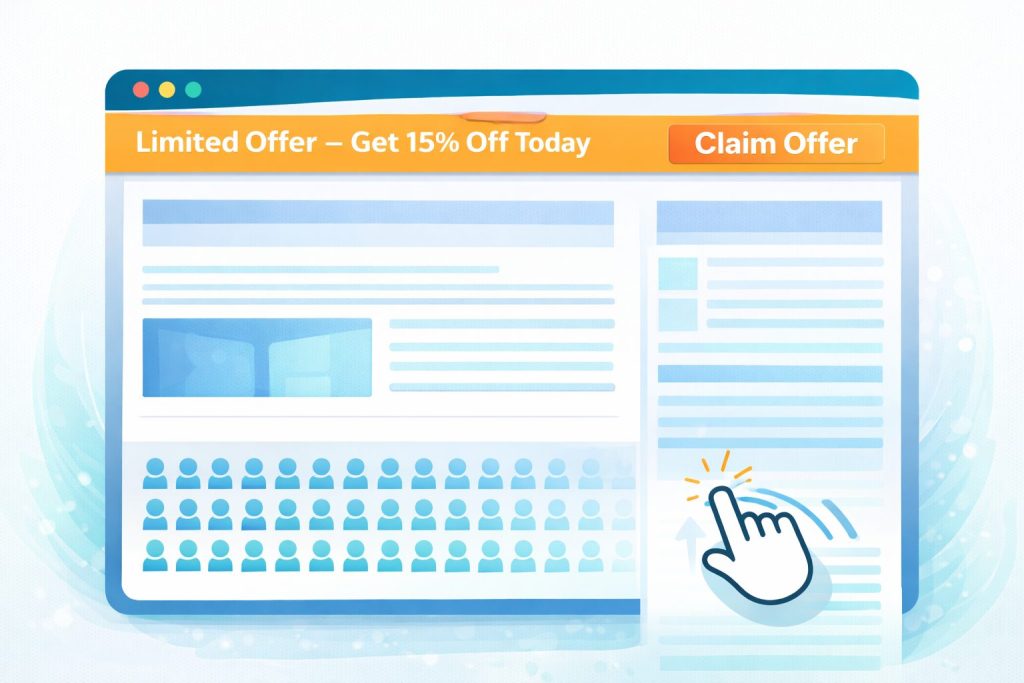
Sticky bars are horizontal notification bars that stay visible at the top or bottom of a webpage while users scroll.
Because they remain on the screen, sticky bars provide constant visibility without interrupting the browsing experience.
They are commonly used for:
- Announcing special offers
- Promoting new products
- Encouraging newsletter signups
- Highlighting limited-time discounts
Unlike traditional banners, sticky bars keep important messages in front of visitors throughout their browsing session. This consistent visibility makes them effective for increasing website engagement.
Businesses can easily create these using a Kiyfi platform for creating sticky bars, which allows marketers to design campaigns visually without relying on developers.You can also explore how sticky bar campaigns help capture user attention by displaying announcements or promotions while visitors browse the page.
How Popups Increase Click-Through Rate?
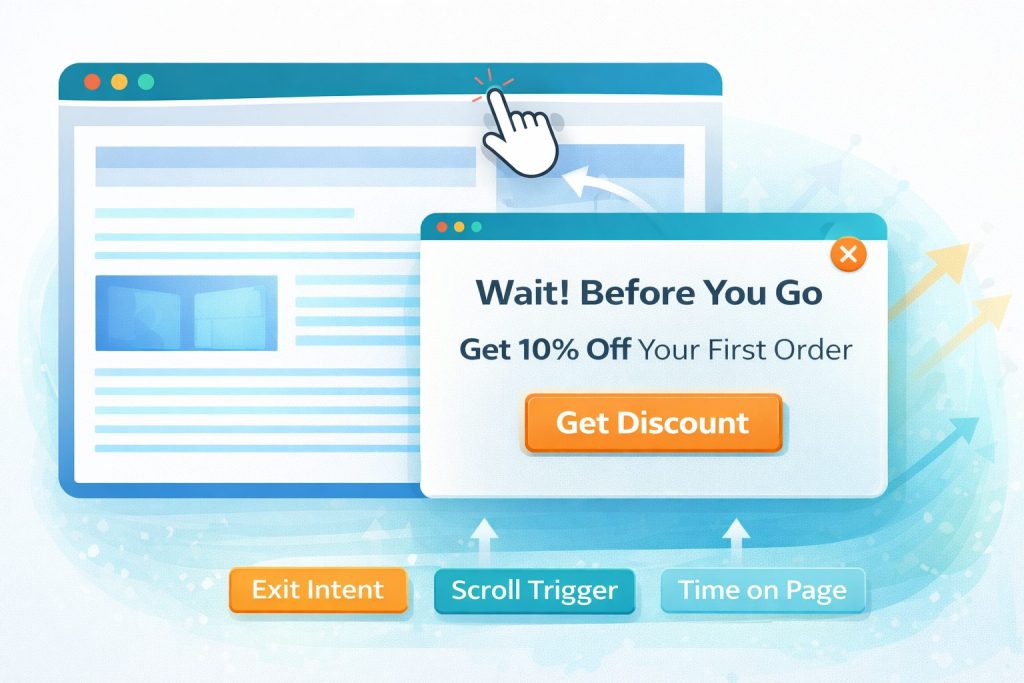
Popups are another powerful engagement tool used to capture visitor attention at the right moment.
Instead of appearing randomly, modern popups are triggered based on user behavior. Some common triggers include:
- Exit intent when a visitor is about to leave the site
- Scroll depth when a user reaches a specific section
- Time spent on the page
- Clicking on specific elements
These triggers make popups more relevant and less disruptive.
For example, an exit-intent popup offering a discount can encourage visitors to stay longer or explore a product page. Similarly, a signup popup can help capture email leads before a visitor leaves the website.
Many businesses now use a drag-and-drop popup builder from Kiyfi to quickly design targeted popups without needing technical knowledge.
You can also check examples of high-converting website popups to understand how businesses use these tools to guide visitors toward signups, downloads, or product pages.
Best Practices for Using Sticky Bars and Popups
While sticky bars and popups are effective tools, their impact depends on how they are implemented. Following a few best practices can significantly improve their performance.
Use clear call-to-action buttons
Visitors should immediately understand what action to take, whether it’s subscribing to a newsletter or claiming a discount.
Trigger popups at the right moment
Displaying a popup after users engage with content can feel more natural and improve response rates.
Keep designs simple and mobile-friendly
Since a large portion of website traffic comes from mobile devices, engagement elements should work smoothly across screens.
Avoid overwhelming the user
Too many popups can disrupt the browsing experience. Instead, focus on strategic placement and timing.Using a no-code popup builder available on Kiyfi, marketing teams can easily experiment with layouts, targeting rules, and campaigns to improve performance.
Real Use Cases: When to Use Sticky Bars vs Popups
Both sticky bars and popups serve different purposes, and understanding when to use each can improve website engagement.
Sticky bars work well for:
- Announcements and updates
- Free shipping offers
- Limited-time promotions
- Driving traffic to key pages
Popups work best for:
- Email lead capture
- Discount offers for new visitors
- Downloadable resources or guides
- Webinar or event registrations
Many successful websites combine both tools to maximize engagement.
For example, a sticky bar may promote an ongoing offer, while a popup captures leads at the moment a visitor is about to leave the site.Marketers often explore conversion-focused popup strategies to determine the right mix of engagement elements for their website.
Final Thoughts
Improving website click-through rate requires more than attractive design. It requires guiding visitors toward meaningful actions at the right moment.
Sticky bars keep important messages visible while users browse, and popups capture attention when visitors are most likely to respond. When used strategically, these tools can significantly increase website engagement and conversions.If you want a simple way to launch these campaigns, you can try Kiyfi’s no-code popup and sticky bar builder to design targeted engagement elements and turn more website visitors into leads and customers.
Keywords: website click-through rate, sticky bars for website engagement, popups to increase click-through rate, website conversion optimization, popup marketing strategy, sticky bar examples, increase website engagement, improve website conversions