
Let’s be honest, in the rush of the digital world, we are all a little distracted. Your website visitors are no different; they land on your page for a fleeting moment, and you have just seconds to truly connect. Think of it as a quick first impression—a tiny window of opportunity to say, “Hey, we have got something valuable for you!” That’s why the simple, humble popup is still a hero. It is the little tool that respectfully breaks through the noise to catch an eye, share key information, and gently invite someone to take that crucial next step.
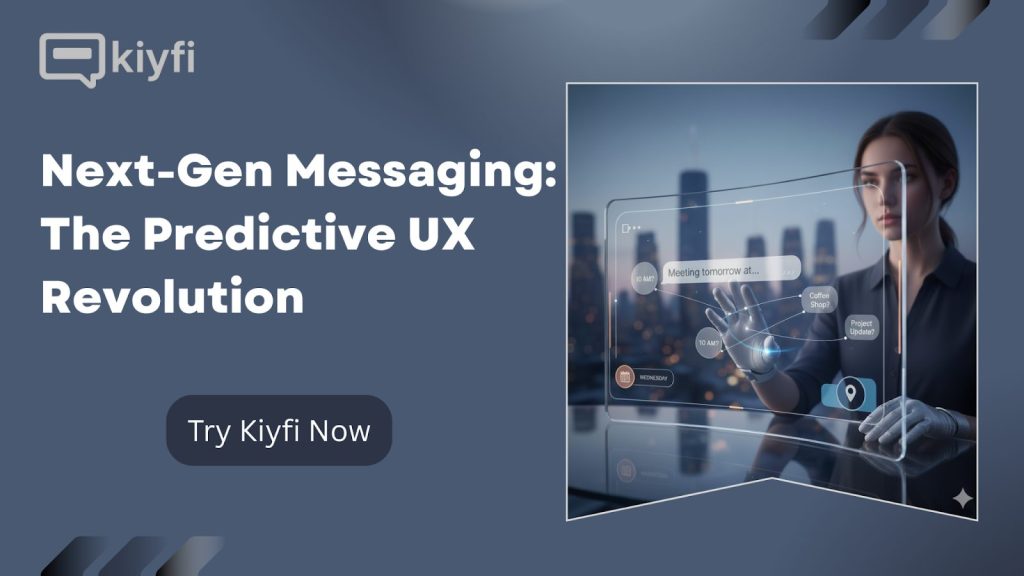
But popups are no longer just about flashy boxes and discount codes. The future of on-site messaging is evolving toward something much more intelligent, dynamic, and user-centered: Predictive UX (User Experience).
Let’s explore how popups are transforming and how businesses can stay ahead of the curve with tools like Kiyfi, which is shaping this next generation of on-site engagement.
The Enduring Power of Popups
Despite the endless debate around them, popups remain one of the most consistently high-performing marketing tools on the web. Studies continue to show that well-designed, well-timed popups can boost conversion rates by up to 40% or more. Whether it’s collecting emails, offering limited-time deals, or reducing cart abandonment, popups bridge the gap between passive browsing and meaningful action.
Their secret? Interrupting at the right moment.
Popups are effective because they create a micro-interruption in the user’s flow—not to annoy, but to redirect attention toward something of value. They provide contextual information or offers exactly when users are most likely to respond.
However, the way users experience websites has evolved. They expect relevance, personalization, and seamlessness. What worked five years ago—like generic discount offers triggered by time delays—doesn’t work as well today. Modern visitors can spot “one-size-fits-all” popups from a mile away.
That’s where predictive UX comes in.
From Static Popups to Predictive Experiences
Predictive UX represents the next stage in on-site engagement—a shift from static, rule-based interactions to data-driven, adaptive messaging.
Instead of predefining when and what a popup should show, predictive UX uses behavioral signals to anticipate what each user needs before they do. It’s like your website having a sixth sense—understanding user intent and responding in real-time.
Imagine this:
- A user stays put on a product page without adding anything to their cart. Instead of a random discount offer, the site detects hesitation and shows a quick “Still deciding? Here’s a size guide to help you choose.”
- A returning visitor hovers near the exit button. Rather than showing a generic “Don’t leave yet!” message, the popup recalls their previous visit and highlights the product they viewed most.
- A first-time visitor scrolls quickly through your homepage. Instead of overwhelming them, the site waits, then offers a personalized welcome message that matches their apparent interest pattern.
These are predictive popups—not interruptions, but extensions of a user’s journey.
And while predictive UX sounds futuristic, tools like Kiyfi are already making it practical for businesses today.
Meet Kiyfi: The Smart Way to Engage Visitors
Kiyfi is more than just a popup builder—it’s a modern engagement platform built for businesses that want to move beyond static marketing and into smart, predictive user experiences.
Traditional popup tools let you create nice designs. Kiyfi lets you create conversations.
Here’s what makes it stand out:
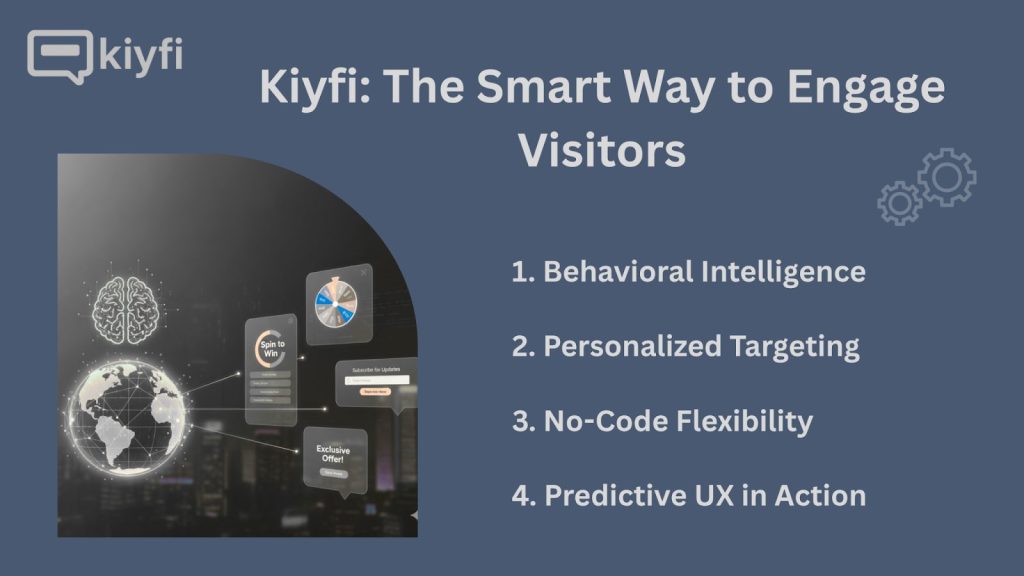
1. Behavioral Intelligence
Kiyfi doesn’t just show messages—it listens first. It tracks real-time visitor behavior such as scroll depth, time on page, and click patterns, then triggers popups when they are most relevant. This means fewer interruptions and more conversions.
2. Personalized Targeting
Whether a visitor is new, returning, or coming from a specific campaign, Kiyfi lets you tailor your popups to match their intent. The result? Every message feels personal—not pushy.
3. No-Code Flexibility
Marketers love Kiyfi because it doesn’t require a developer’s help. You can design, test, and deploy beautiful, high-performing popups in minutes with its intuitive drag-and-drop editor.
4. Predictive UX in Action
Kiyfi takes the concept of Predictive UX from theory to reality. By blending timing, context, and personalization, it transforms your popups from static ads into meaningful, data-informed touchpoints.
Why the Future Belongs to Predictive Popups
As user expectations continue to rise, engagement tools must evolve too. The days of “show popup after 5 seconds” are fading. Instead, success lies in understanding intent—knowing when users need help, encouragement, or incentive.
Predictive UX doesn’t replace human creativity; it enhances it. With tools like Kiyfi, marketers can focus on strategy, messaging, and design—while the platform handles the logic behind when and why a message appears.
In essence, Kiyfi enables brands to communicate like humans, not algorithms. It allows every visitor to feel like the website was designed just for them.
Conclusion: From Popups to Possibilities
The future of on-site messaging is not about more popups—it’s about smarter, kinder, and more predictive popups. As we move toward hyper-personalized web experiences, tools like Kiyfi are helping businesses bridge the gap between attention and action.
Popups will always have a place in digital marketing. But with predictive UX, they are evolving into something far more powerful—real-time conversations that guide users, respect their intent, and drive meaningful engagement.
So, if you are ready to move beyond static popups and into the future of intelligent on-site communication